Premium Balsa Wood for Scale Modeling and Scratch-Building
Balsa wood remains the material of choice for aircraft construction, architectural modeling, and custom scratch-building projects due to its exceptional strength-to-weight ratio, easy workability, and consistent grain structure. This comprehensive collection features precision-cut balsa blocks, sheets, and sticks from Bud Nosen Models, Midwest Products, and Guillows, offering the dimensional variety and quality consistency that serious modelers demand. Whether you're building flying model aircraft, static display models, architectural prototypes, or intricate dioramas, these balsa materials provide the lightweight strength and precise dimensions essential for professional results across all modeling disciplines and scales.
Balsa Blocks: Solid Stock for Carving and Shaping
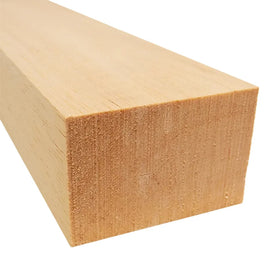
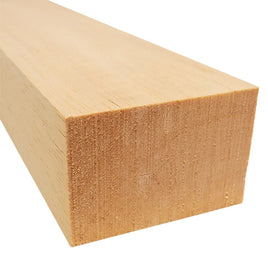
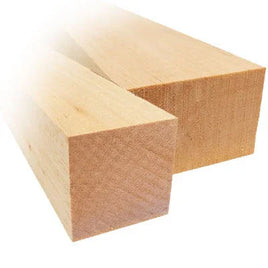
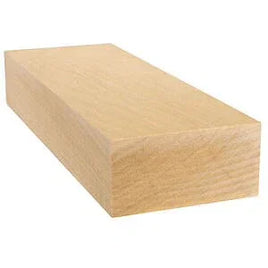
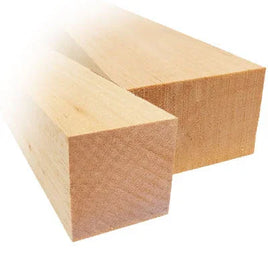
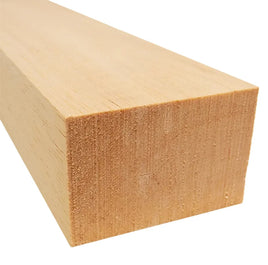
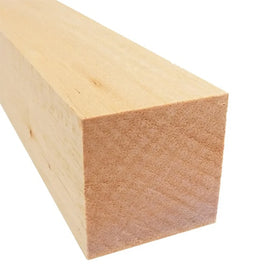
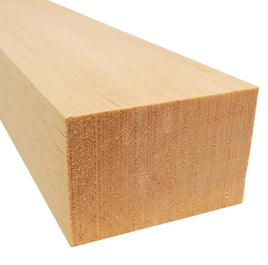
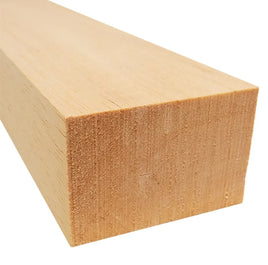
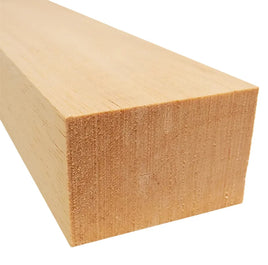
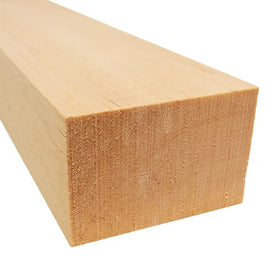
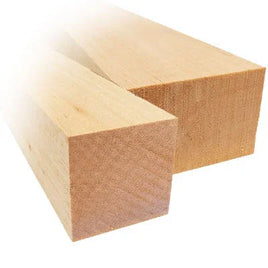
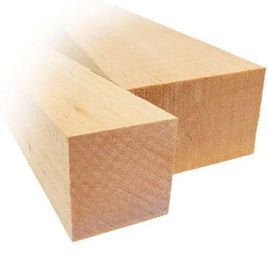
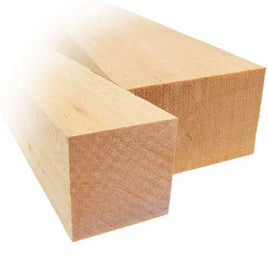
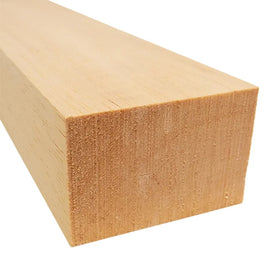
Balsa blocks provide solid stock material ideal for carving custom components, shaping complex forms, and creating structural elements that require substantial cross-sections. This collection includes Bud Nosen balsa blocks ranging from compact 1/2-inch by 1-inch sections to massive 3-inch by 4-inch blocks, all supplied in convenient 12-inch lengths. The dimensional variety allows you to select blocks with minimal waste for your specific project, whether you're carving propeller blanks for flying models, shaping fuselage formers for scale aircraft, creating architectural details for building models, or fabricating custom landing gear components. Larger blocks like the 2-inch by 6-inch and 3-inch by 4-inch sizes provide sufficient material for carving complex three-dimensional shapes, while smaller sections serve perfectly for structural reinforcements and detail components. The consistent grain structure throughout each block ensures predictable carving characteristics and uniform strength properties.
Balsa Sheets: Versatile Planking and Skinning Material
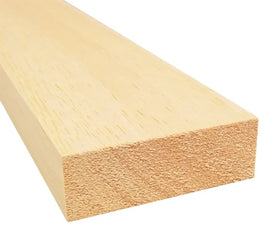
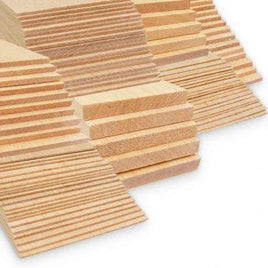
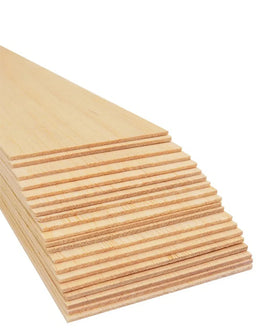
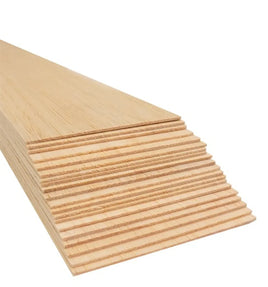
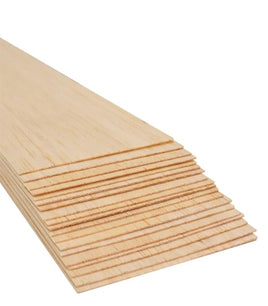
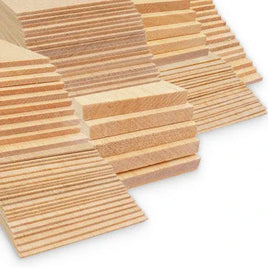
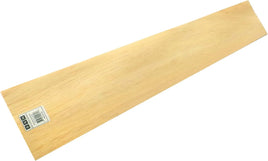
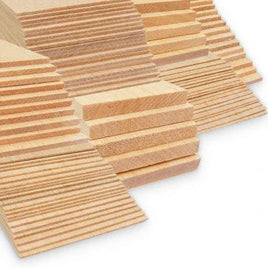
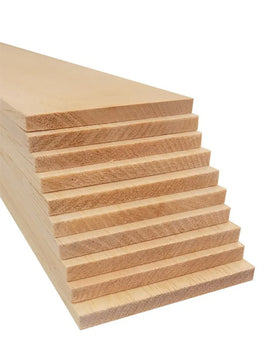
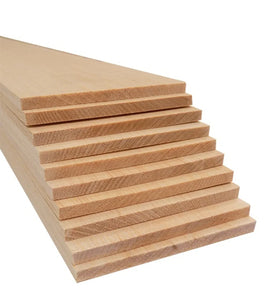
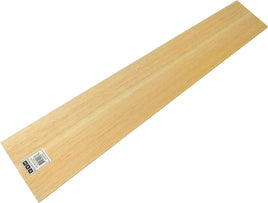
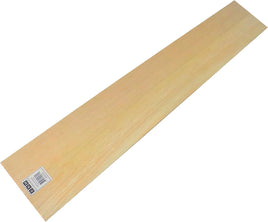
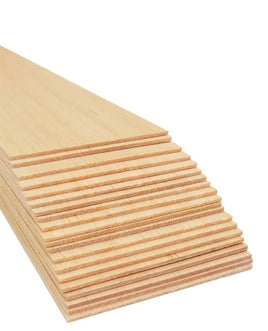
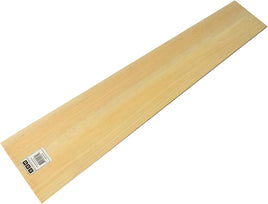
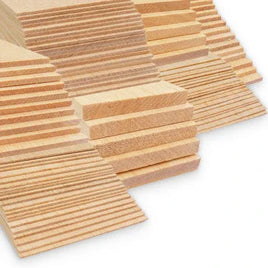
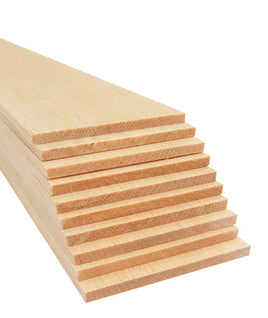
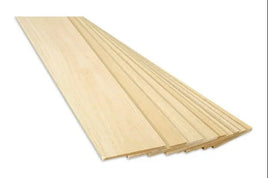
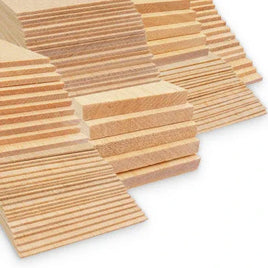
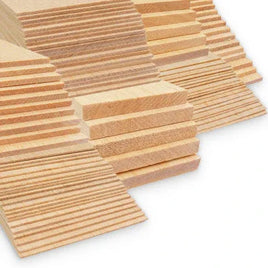
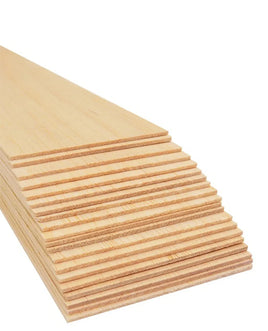
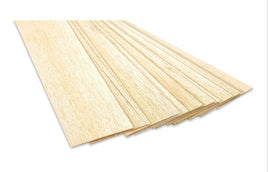
Balsa sheets represent the most versatile format for model construction, serving as wing skins, fuselage planking, bulkheads, formers, and countless other applications where flat stock material is required. The Bud Nosen sheet selection spans thicknesses from ultra-thin 1/32-inch to substantial 3/8-inch, with widths ranging from 2 inches to 6 inches, all in economical 36-inch lengths. Each thickness comes packaged in quantities from 5 to 20 pieces depending on material volume, providing excellent value for larger projects. Thin sheets like 1/32-inch and 1/16-inch thicknesses excel for wing covering, curved fuselage planking, and applications requiring material that bends easily around compound curves. Medium thicknesses including 1/8-inch and 3/16-inch serve as general-purpose construction material for ribs, formers, and structural components. Heavier sheets like 1/4-inch and 3/8-inch provide the rigidity needed for bulkheads, motor mounts, and load-bearing structures. This comprehensive thickness range ensures you have appropriate material for every construction requirement.
Balsa Sticks: Precision Structural Components
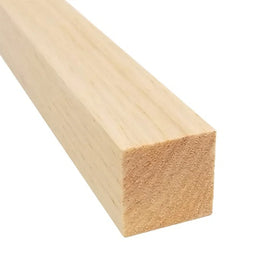
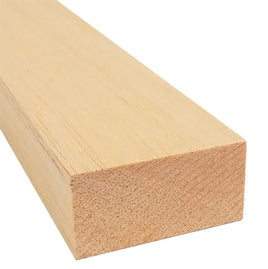
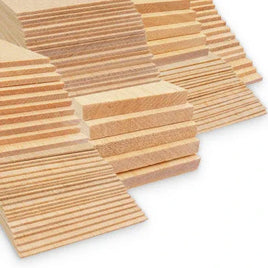
Balsa sticks provide ready-to-use structural members for framework construction, eliminating the time-consuming process of ripping sheets into strips. The Bud Nosen stick collection offers an extensive matrix of cross-sections from delicate 1/16-inch by 3/16-inch up to robust 3/4-inch by 1-inch, all in 36-inch lengths with package quantities ranging from 7 to 50 pieces based on stick size. These precision-milled sticks serve as wing spars, fuselage longerons, tail surface leading edges, landing gear struts, and countless other structural applications in wood aircraft construction. The square cross-sections like 1/4-inch by 1/4-inch and 3/8-inch by 3/8-inch provide uniform gluing surfaces and simplified alignment during assembly. Rectangular sections offer optimized strength-to-weight ratios for specific loading conditions, with the material oriented to resist bending in the primary load direction. The generous 36-inch length accommodates most model aircraft wingspans and fuselage lengths without requiring spliced joints that compromise strength and appearance.
Dimensional Variety for Every Application
The extensive dimensional range in this collection ensures you can select balsa with minimal material waste and optimal structural efficiency. Small cross-sections like 1/16-inch sticks and 1/32-inch sheets suit delicate applications in small-scale models, indoor flying aircraft, and fine architectural details where minimizing weight is critical. Mid-range dimensions including 1/8-inch and 3/16-inch materials represent the sweet spot for general model construction, providing good strength without excessive weight. Large sections like 1/2-inch blocks and 3/8-inch sheets deliver the structural capacity needed for large-scale models, outdoor flying aircraft, and applications where strength outweighs weight considerations. This graduated sizing allows you to engineer structures with appropriate material for each component's specific loading and functional requirements, avoiding both over-building that adds unnecessary weight and under-building that risks structural failure.
Consistent Grain Structure and Density
Quality balsa wood exhibits consistent grain structure and appropriate density for modeling applications, and the materials in this collection meet these critical standards. Bud Nosen, Midwest Products, and Guillows select balsa with straight, even grain that provides predictable strength characteristics and uniform workability. The medium-density balsa used in these products balances strength against weight, avoiding the brittle characteristics of very light balsa while preventing the excessive weight of dense grades. This consistency proves especially important for flying model aircraft where weight distribution and structural integrity directly impact flight performance. The uniform grain also ensures balsa accepts adhesives evenly, creating strong glue joints that often prove stronger than the surrounding wood. When finishing models, consistent grain structure allows even stain and paint absorption, producing professional-looking surfaces without blotchy appearance or grain raise issues.
Superior Workability with Standard Tools
Balsa's legendary workability makes it accessible to modelers at all skill levels, and these precision-cut materials maximize this advantage. The soft, uniform grain cuts cleanly with hobby knives, razor saws, and standard woodworking tools and sets, requiring minimal effort and producing smooth surfaces with little sanding. Balsa accepts pins and small nails without splitting, facilitating temporary assembly during construction. The material sands rapidly with fine-grit sandpaper, allowing you to achieve smooth finishes and precise dimensional adjustments. Balsa also bends easily when steamed or soaked, enabling curved components like wing leading edges and fuselage stringers without the complex laminating procedures required for harder woods. This workability accelerates construction, reduces tool wear, and makes balsa ideal for modelers who lack extensive woodworking equipment or experience.
Exceptional Strength-to-Weight Ratio
Balsa's cellular structure creates an exceptional strength-to-weight ratio that makes it indispensable for flying model aircraft and weight-sensitive applications. The wood's longitudinal grain provides excellent tensile and compressive strength along its length, allowing thin sections to span considerable distances without excessive deflection. This strength enables lightweight framework construction where balsa spars and longerons carry primary loads while contributing minimal weight. The material's stiffness also prevents the flexing and vibration that plague models built from heavier, less rigid materials. For static display models and dioramas, balsa's light weight simplifies mounting and reduces stress on delicate attachment points. The strength-to-weight advantage becomes especially apparent in large-scale projects where substituting heavier materials would create handling difficulties and structural challenges.
Versatile Applications Beyond Aircraft
While balsa wood is synonymous with aircraft modeling, these materials serve countless other modeling disciplines with equal effectiveness. Architectural modelers use balsa sheets for building facades, interior partitions, and structural frameworks, appreciating the material's scale-appropriate thickness and easy cutting. Diorama builders incorporate balsa for constructing buildings, bridges, fences, and countless scenic elements, often combining it with diorama effects materials for enhanced realism. Ship modelers employ thin balsa sheets for deck planking and superstructure details. Railroad modelers fabricate custom structures, loading docks, and industrial equipment from balsa stock. The material also serves educational purposes in schools and STEM programs where students learn engineering principles through hands-on construction projects. This versatility makes balsa a valuable workshop staple that supports diverse modeling interests beyond its traditional aircraft applications.
Finishing and Surface Treatment Options
Balsa wood accepts a wide range of finishing treatments, allowing you to achieve any desired appearance from natural wood grain to opaque painted surfaces. For natural finishes, balsa responds beautifully to sanding sealers and clear dope that enhance grain patterns while providing protective coatings. The wood accepts stains readily, though the porous grain may require grain filler for uniform color absorption. For painted finishes, balsa benefits from primer coats that seal the porous surface and provide smooth bases for color coats. The material also accepts tissue covering, heat-shrink films, and fiberglass cloth for aircraft applications requiring lightweight, durable skins. Balsa's ability to accept these varied finishing treatments makes it adaptable to any modeling aesthetic, from realistic wood-grained architectural models to brightly colored sport aircraft.
Trusted Manufacturers with Proven Quality
Bud Nosen Models has supplied precision-cut balsa to the modeling community for decades, earning recognition for consistent quality and accurate dimensions. Their extensive product line covers virtually every balsa dimension modelers require, eliminating the need to source materials from multiple suppliers. Midwest Products brings similar quality standards to their balsa offerings, with particular strength in convenient multi-piece packages and mixed-dimension assortments. Guillows leverages their century-plus history in model aviation to provide balsa materials that meet the exacting requirements of flying model construction. These manufacturers maintain strict quality control ensuring straight, true pieces free from warps, splits, and grain irregularities that compromise construction quality.
Economic Packaging for Project Efficiency
The multi-piece packaging used throughout this collection provides excellent value while ensuring you have sufficient material to complete projects without mid-construction material shortages. Sheets packaged in quantities from 5 to 20 pieces and sticks in packages from 7 to 50 pieces offer economies of scale compared to purchasing individual pieces. The packaging quantities also account for inevitable construction mistakes, test fits, and design iterations that consume material beyond theoretical project requirements. Having extra material on hand prevents frustrating project delays waiting for additional supplies and allows you to select the best pieces from each package for critical applications. The standardized packaging also simplifies material planning, as you can calculate project requirements in packages rather than individual pieces.
Material Selection and Project Planning
Successful balsa construction begins with appropriate material selection matched to your project's specific requirements. Flying model aircraft demand careful attention to balsa density and grain orientation, with wing spars requiring stiff, straight-grained material while curved components benefit from more flexible pieces. Static display models allow greater flexibility in material selection, as weight and strength become less critical than appearance and workability. Architectural models often prioritize dimensional accuracy and surface finish over structural properties. When planning projects, calculate material requirements generously, accounting for cutting waste, construction errors, and design modifications. Consider purchasing multiple thicknesses and cross-sections even if your plans specify specific dimensions, as having material options during construction allows you to optimize each component's properties. Store unused balsa in sealed plastic bags or containers to prevent warping and moisture absorption that compromise dimensional stability.
Integration with Other Craft Wood Materials
Balsa wood works seamlessly with other craft wood materials including basswood, plywood, and hardwoods, allowing you to leverage each material's unique properties within single projects. Use balsa for lightweight framework and secondary structures while employing harder woods for high-stress components like motor mounts, landing gear attachments, and control surface hinges. Combine balsa with plywood for bulkheads and formers that require dimensional stability and resistance to splitting. This multi-material approach optimizes structural efficiency, with each component built from the most appropriate material for its specific function. The materials bond together effectively using standard wood glues and cyanoacrylate adhesives, creating strong joints that integrate different woods into unified structures. Complement your balsa construction with appropriate adhesives for permanent, reliable assemblies.
Essential Workshop Supply for Serious Modelers
Maintaining a comprehensive balsa inventory in your workshop ensures you have appropriate material immediately available when inspiration strikes or project requirements emerge. Stock commonly used dimensions like 1/8-inch and 1/16-inch sheets, 1/4-inch square sticks, and assorted blocks to cover most construction scenarios. The material stores indefinitely when kept dry and protected from physical damage, making it practical to maintain substantial inventories without concern for deterioration. Having balsa on hand transforms the modeling experience from a series of material-constrained compromises into a process of realizing your creative vision with appropriate materials for each application. Serious modelers recognize that quality materials represent investments in successful projects rather than expenses, and the balsa in this collection delivers the consistency and variety that professional results demand.